
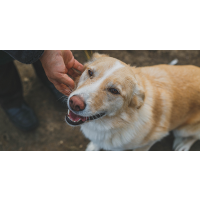
There is nothing that I love more as a veterinarian than seeing a happy, healthy and comfortable senior pet. But I know very well that there is a lot of care and extra support that goes into keeping senior dogs healthy–and pet owners who are able to take the added steps in supporting their pets as they age are rewarded greatly in sharing life with a senior canine citizen who is able to enjoy a wonderful quality of life.
As dogs age, their requirements for care change, and it’s important to recognize aging changes to be better prepared to support your pet through his or her golden years and provide the highest quality of life possible. There are some aspects of care to think about as a pet owner to incorporate into a senior dog’s regimen that will keep them wagging their tails throughout life.
A common question is how do you know when your dog would be considered a senior citizen? This can be very individual, as large breed dogs in general age faster than smaller breed dogs–whereas a Great Dane would be considered a senior at 5-6 years of age, a smaller dog like a Pomeranian would not be considered senior until about 10-11 years. And everyone else falls somewhere in between. Of course, there are a number of other factors including genetics,environment and even nutrition that can play a role in the aging process.
Signs that dogs are moving into their senior years may include tiring more easily and not wanting to go for long walks like they used to. Sometimes difficulty getting up or lying down can occur, or restlessness and the seeming inability to get comfortable. Stairs may become an issue, and jumping into the car can require assistance. There are some great supplements to help with these mobility issues, and I usually recommend that dogs starting to show some of these signs start with a joint supplement, one that includes glucosamine, chondroitin and even better, the addition of herbals like boswellia and curcumin which can provide healthy inflammation support. Omega-3 fatty acids (DHA and EPA) are also extremely helpful for aging dogs with occasional joint discomfort. If discomfort continues to be an issue, acupuncture or laser therapy can be extremely helpful in providing additional support.
Another important consideration is dental care. A healthy mouth is so important to overall health and well-being. While ideally, most pets will have their teeth brushed daily or several times per week, quite frequently this can be overlooked causing pain in the mouth which may result in difficulty eating and weight loss. All veterinarians recommend keeping a close watch on what’s going on in your pets’ mouth. By keeping on top of brushing and providing dental chews, you can do your part to support your pet’s overall health.
Watch your dog’s body condition, and have it evaluated by a veterinarian to discuss whether your pet is at an ideal weight, is underweight or overweight, both of which can become issues for seniors. Your vet can determine your pet’s body condition score and teach you how to evaluate this at home moving forward. Weight loss is a common issue–as older dogs tend to lose muscle mass from a lower rate of activity. Weight gain is the other side of the coin–due to decreased activity. Extra weight can cause an increased strain on the body and the joints specifically.
Nutrition is of utmost importance in keeping your dog at a normal weight for his or her age, and as dogs grow older, nutritional requirements can change–we can feed food that helps to support the body. Primarily, feeding a high quality, species-appropriate diet is important at any age, but even more so in older dogs. I always recommend adding in fresh food for vitality and to allow your dog to thrive in his or her golden years. Food that is loaded with moisture and fresh nutrients will help support the kidneys and the liver as well as the immune system, which often has decreased function as dogs grow older. As a holistic veterinarian, I truly believe that food is medicine, and you make the choice every day to help your dog thrive by feeding a high quality, nutrient dense food. Working with a veterinarian who is familiar with feeding fresh food for optimum health will be a benefit to both you and your dog. They can also work with you to formulate or find a diet that is specific to your pet. Food is truly the key to good health.
Providing physical and mental stimulation is an extremely important aspect of health for senior canines–providing toys or puzzles can be a great way to keep your pet mentally sharp, and low-impact exercise every day is essential to maintain muscle mass and a normal weight.
Take it slow and go at your dog’s pace… older dogs tend to take a bit more time sniffing than they do walking, but this is wonderful both mentally and physically, keeping their noses and minds sharp while keeping them moving.
Finally, the power of touch cannot be overlooked. Petting and rubbing bellies is wonderful but you can even take it a step further with targeted massage, letting your dog guide you in what they like and appreciate and what they don’t. This can also be a helpful indicator in identifying sources of occasional discomfort or soreness–and it’s also a great way to really “feel” every aspect of your pet so that you can identify abnormalities that might arise, whether it is a skin tag or a wart (both very common in older animals) or a growth that may be more concerning. Dogs really respond to touch, and it is a great way to provide a strong connection with them in their older years, and improves quality of life. Working with a holistic veterinarian or certified canine massage therapist who can give you tips on different techniques of massage, acupressure, and T-touch is a great way to really support your animal companion at home.
As dogs age, their senses can begin to deteriorate—you may notice cloudiness in the eyes causing difficulty in navigating in low light as well as hearing loss. While it’s important to have these evaluated by your veterinarian. these signs may very well be part of the normal aging process. Many dog owners will use whistles or hand signals for dogs with hearing loss. Keeping the lights at home bright and keeping furniture in a static position can help dogs with diminishing eyesight. Oftentimes as these senses start to decrease, dogs can become more anxious, and startle easier. If this is the case, it may be beneficial to discuss with your veterinarian if a calming supplement such as Echinacea might help promote a sense of relaxation.
To conclude, it’s worth mentioning again the importance of having a close relationship with your veterinarian as your dog ages. I encourage pet owners to bring in their seniors twice yearly for overall health assessments and to address any changes that you might be seeing at home. By regular visits and communication with your veterinarian, you will be able to support your dog’s health.
Older dogs are a joy, and I always feel as though each day we have with them is a special gift, that sometimes we only realize when we start to notice that little bit of grey hair starting to show or the slight amount of stiffness after getting up. Treat them with the same care and compassion as you have throughout life, with perhaps a little bit of extra support and they will reap the benefits in gracefully moving through some of the most rewarding years. An extra touch, a longer snuggle, a relaxed meandering walk, some fresh food and natural supplements–can go a long way in strengthening the bond that you have. Remembering that the most important aspect of caring for an older companion is the love that you share–there is nothing better or more meaningful in life.